
Embarking on a career as a dental assistant is both exciting and rewarding. This role requires a unique combination of skills that blend technical expertise and interpersonal abilities. Whether you’re just starting or looking to sharpen your skills, understanding the key areas to focus on is crucial.
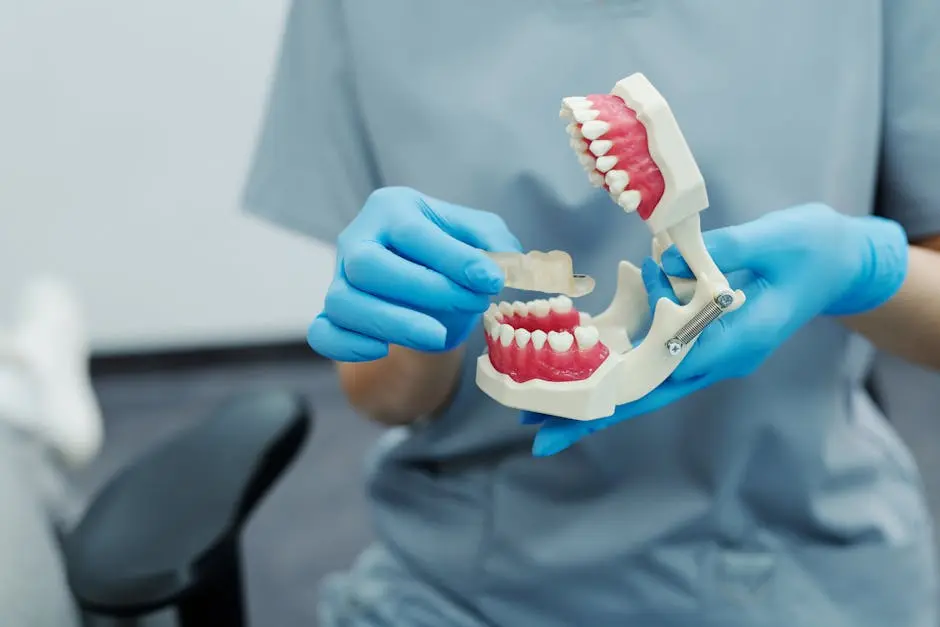
Understanding Dental Terminology and Procedures
A solid grasp of dental terminology and procedures is fundamental for any dental assistant. This knowledge not only helps in effective communication with the dental team but also in educating patients on their care plans.
Understanding dental terminology is like learning a new language. Terms such as ‘occlusion’, ‘gingiva’, and ‘prosthodontics’ are not just jargon; they form the basis of your day-to-day conversations. This vocabulary is crucial for accurately recording patient information and discussing case specifics with your colleagues. Moreover, familiarizing yourself with dental procedures—from routine cleanings to complex surgeries—enables you to anticipate the needs of the dentist and the patient, ensuring everything runs smoothly.
The ability to understand and explain procedures like fillings, root canals, or crowns to patients is invaluable. It builds trust and can significantly alleviate a patient’s anxiety about their dental visit. When patients understand what to expect, they feel more empowered and engaged in their care. In essence, mastering dental terminology and procedures serves as the backbone of a dental assistant’s capability to foster an informative and calming atmosphere in the clinic.
Developing Excellent Organizational Skills
From maintaining patient records to managing appointments, organizational skills are imperative. Dental assistants need to juggle multiple tasks efficiently, ensuring that the dental office runs smoothly and every patient is attended to promptly.
The dental office is a hive of activity, and organization is the key to keeping it functioning like a well-oiled machine. Dental assistants are at the heart of this operation, managing patient scheduling, tracking inventory, and updating files accurately. This multitasking extends to prepping treatment rooms and ensuring all the necessary equipment and materials are on hand. A keen sense of organization reduces stress and allows more time to focus on patient care, which is always the top priority.
An organized dental assistant can transform chaotic days into seamless operations. By utilizing digital tools and maintaining clear communication with team members, you can streamline daily tasks. Digital scheduling software, for instance, can help in efficiently managing appointments and reducing waiting times for patients. The ability to prioritize tasks based on their urgency and importance is a key component of this role and contributes significantly to the overall patient experience.
Enhancing Communication and Interpersonal Abilities
Interacting with patients and colleagues requires strong communication and interpersonal skills. Building rapport with patients can ease their anxiety and enhance their experience, while clear communication with the dental team ensures the clinic operates effectively.
Communication is at the core of any patient-facing role, and for dental assistants, it’s no different. Clear, compassionate communication can transform a nervous patient into a cooperative and relaxed individual ready for their appointment. This involves not just verbal communication but also body language, active listening, and providing clear post-procedure instructions. It’s about creating an environment where patients feel heard and valued.
Developing interpersonal skills also means understanding and respecting cultural differences, particularly in a diverse work environment. Being approachable and empathetic can go a long way in building trust and encouraging open dialogue. For instance, by acknowledging patient concerns and inquiries promptly and sincerely, you reinforce their importance within the clinic. Such skills are imperative not just in patient interactions but also in facilitating cooperation among the dental team.
Technical Proficiency in Dental Equipment Handling
Dental assistants must be skilled in handling a variety of dental instruments and equipment. Familiarity with these tools allows for efficient preparation and assistance during procedures, ensuring the dentist can work seamlessly.
The ability to expertly handle dental equipment boosts both efficiency and safety within the dental practice. This encompasses understanding the operation and maintenance of instruments like x-ray machines, suction devices, and sterilization tools. A deft hand with these tools not only assists the dentist in more precise procedures but also comforts patients by exhibiting professionalism and preparedness.
Working with dental technology also involves a firm grasp of safety protocols to protect both patient and staff. This involves rigorous adherence to hygiene practices, proper sterilization of instruments, and correct radiologic procedures. Being skilled in the latest dental technology, such as digital imaging tools, is also critical. This ensures you can keep pace with evolving practices and contribute to a progressive and modern practice environment.
Commitment to Continuous Learning and Professional Development
The field of dentistry is ever-evolving, and staying updated with the latest advancements is crucial. Pursuing additional certifications and training can enhance your skills and open doors to new opportunities within the dental industry.
In the rapidly advancing world of dentistry, continuous education is not just beneficial; it’s essential. Engaging in professional development—whether through formal education, seminars, or workshops—keeps your skills relevant and competitive. It empowers you to provide better patient care and can significantly influence career advancement. Certifications in specialized areas within dentistry often distinguish you from others and illustrate a commitment to your career.
The landscape of dentistry continuously benefits from technological advancements and research discoveries. Staying informed about these changes by subscribing to professional journals or participating in online forums can provide insights and inspiration. Professional associations often offer abundant resources for learning and connecting with peers, providing a platform for ongoing advancement and achievement.
Embrace the Path to a Rewarding Career
Mastering these essential skills not only prepares you for a successful career but also ensures you provide the best possible care to patients. As you continue to grow and learn in your role, remember that being a dental assistant is not just about technical know-how but also about making a positive impact on those you interact with daily. To learn more about starting your journey, visit our homepage.