
Dive into the dynamic and fulfilling world of a Patient Care Technician (PCT), where each day brings new challenges and opportunities to make a difference in patients’ lives. Discover what drives these dedicated professionals and how they ensure the best care for their patients.
The Morning Routine: Setting up for Success
Patient Care Technicians start their day early, preparing for the busy shifts ahead. From organizing medical supplies to reading patients’ charts, the morning is all about ensuring everything is in place for efficient care delivery. This preparation is crucial as it sets the tone for the rest of the day, helping PCTs prioritize their tasks efficiently. With the increasing demand for healthcare professionals, as highlighted in various studies, a PCT’s ability to multitask becomes even more important. Preparing for the shifts also involves checking equipment, a routine that might seem mundane but is essential for preventing unexpected technical glitches during patient care.
Beyond physical preparations, mental readiness plays a significant role. A PCT often starts the day reviewing continuing education materials to stay sharp and updated on new healthcare advancements. Continuous learning is a part of a PCT’s job that ensures they can provide the latest in patient care, dealing with everything from new procedures to modern technology used in today’s medical landscape.
Patient Interactions: The Heart of the Job
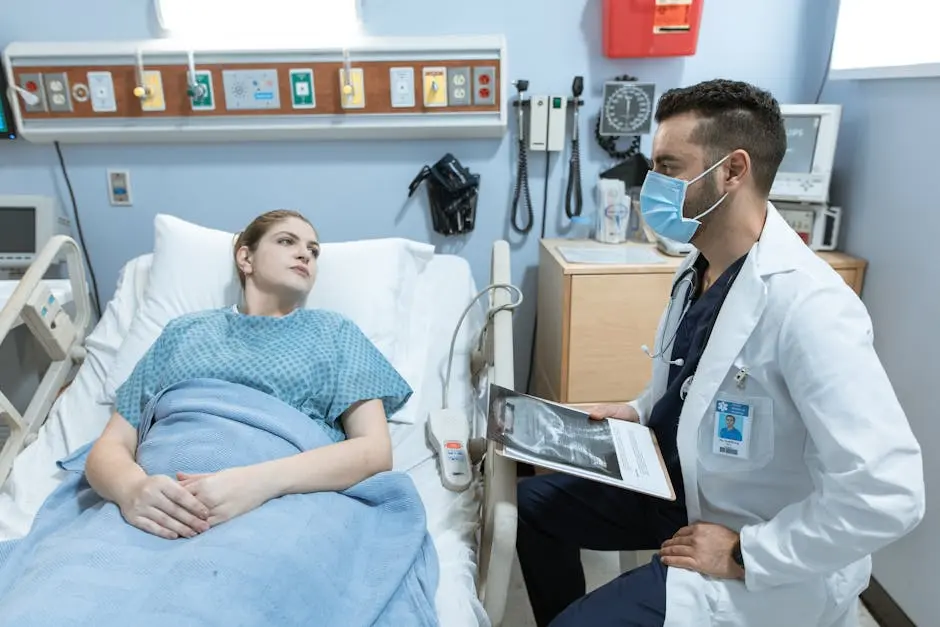
Building rapport with patients is crucial. PCTs engage in a range of activities from assisting with personal hygiene to monitoring vital signs, all while providing emotional support and keeping the lines of communication open. This interaction is the cornerstone of patient care, where a simple act of compassion can significantly uplift a patient’s day. Knowing how to talk to patients and genuine empathetic care can transform what might be considered a transactional task into a bond of trust and solace. Direct care offers an intimate look into patients’ lives, which also is an essential part of a care technician’s duties.
Additionally, PCTs need to navigate the delicate balance between professional protocol and personal touch. This involves listening to patients’ concerns and even noticing non-verbal cues that might need further medical attention. Each interaction is an opportunity to make a lasting impact, aiding not just in a patient’s recovery but in their overall sense of well-being. Patient care technician roles often emphasize the profound effect a kind word or an encouraging smile can have on someone undergoing treatment.
Collaboration with the Healthcare Team
A vital part of the day involves working closely with nurses, doctors, and other medical staff. Effective communication and teamwork ensure that patient care remains top-notch and any issues are addressed promptly. PCTs serve as the essential link between patients and the primary healthcare providers, offering critical updates on patient conditions. This collaboration can reflect in things as routine as adjusting care plans based on real-time reports or something as significant as assisting in sudden emergencies.
The ability to act as a communication liaison is a skill honed with experience and underscores the importance of PCTs in ensuring hospital workflows are smooth and efficient. As noted in the role of a patient care technician, these interactions are not just about exchanging information but also building a sync among various healthcare systems, thereby contributing to holistic patient care.
Adapting to Challenges: Staying Calm Under Pressure
The healthcare environment is fast-paced and unpredictable. PCTs must be adept problem-solvers, managing unexpected situations calmly and efficiently while ensuring the best outcomes for patients. Whether it’s taking over an emergency dialysis session or dealing with a sudden change in a patient’s condition, the ability to remain unflustered is invaluable. This composure is what makes PCTs prepared to handle any curveball during their shifts.
Staying calm isn’t just for the advantage of the operational flow, but it is crucial in maintaining patient confidence. During a crisis, patients look to healthcare workers for reassurance, and by projecting calmness, PCTs help build trust in the healthcare environment. This is a skill acquired with time and validated by real-life experiences that PCTs undergo daily.
Continuous Learning: Keeping Skills Sharp
Healthcare is ever-evolving, and PCTs are committed to continuous education. Whether through formal training or on-the-job learning, staying updated with the latest procedures and technologies is essential. Engaging in certification programs not only enhances a PCT’s skillset but also opens avenues for career growth and specialization.
Many technicians choose to advance their expertise by pursuing specialized roles such as a dialysis technician or even moving into a registered nursing path. These continuous education efforts ensure that PCTs can adapt to innovations, offering their patients the highest standard of care possible. This dedication to lifelong learning is a testament to their commitment to patient welfare and professional excellence.
Reflections and Preparing for Tomorrow
As the day ends, PCTs reflect on their experiences, celebrate their successes, and plan for the next day. This reflective practice ensures they remain motivated and ready to provide the best possible care. A quiet moment of reflection offers insights into the care delivered and areas of improvement that can be addressed in the next shift. It’s a powerful tool in personal and professional growth, leading to better self-awareness and patient interaction.
Preparation continues with updating care plans and communication logs, ensuring that the next shift can pick up seamlessly where the last one left off. This dedication underscores the relentless commitment PCTs have towards patient care, making it a chosen field for those willing to grow and make a distinct difference in people’s lives.
Embracing the Healthcare Journey as a Patient Care Technician
The role of a Patient Care Technician is both challenging and rewarding, combining technical skills with genuine compassion. Each day, PCTs prove how integral they are to the healthcare system, offering essential support that impacts patients’ lives positively. As healthcare evolves, the contributions of PCTs continue to be invaluable. To learn more about a rewarding career in healthcare, visit our homepage.