
The dental assistant career is both rewarding and essential in the healthcare industry. If you’re considering this path, it’s important to understand what the role entails and the opportunities it presents. In this blog, we’ll explore the duties, necessary skills, and career prospects of a dental assistant.
What Does a Dental Assistant Do?
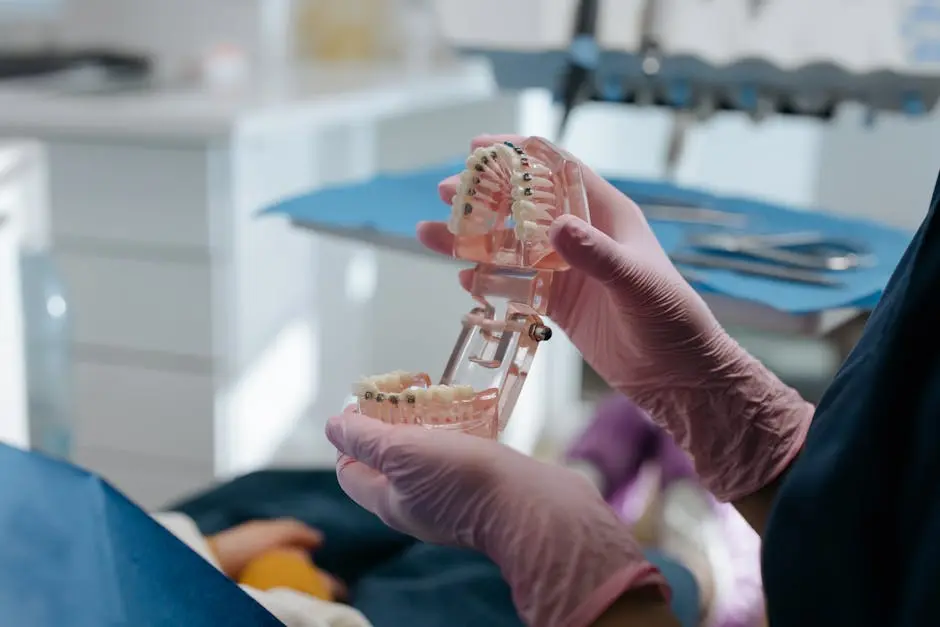
Dental assistants play a crucial role in clinics and dental offices. They assist dentists during procedures, ensure patient comfort, and manage office paperwork. Their work helps maintain efficiency and quality of care in dental practices.
Beyond assisting during procedures, dental assistants are also responsible for sterilizing instruments and preparing the treatment area for patient arrivals. They often serve as a comforting presence to patients who may feel anxious about dental visits, explaining procedures and answering questions to ease their nerves. As the first point of contact in many dental offices, they play a vital role in the patient’s overall experience.
Dental assistants are often the glue that holds the practice together, undertaking administrative tasks such as scheduling appointments, maintaining patient records, and managing inventory of supplies. This multifaceted role requires them to switch between clinical tasks and office duties seamlessly, highlighting their versatility and importance within the dental team.
Essential Skills and Qualifications
To succeed as a dental assistant, certain skills are essential. These include attention to detail, strong communication abilities, and dexterity. While some positions provide on-the-job training, having a formal education in dental assisting can be beneficial.
A keen eye for detail enables dental assistants to catch discrepancies in patient records or office inventory, ensuring that the practice runs smoothly. Their communication skills not only help in relaying information effectively between the dentist and patients but also in teaching patients about oral hygiene practices and procedure aftercare, contributing to better health outcomes.
It’s also essential for dental assistants to have a compassionate nature. Working closely with patients who may be vulnerable or nervous requires empathy and patience. Furthermore, possessing good organizational skills helps manage the diverse tasks that come with the role, from arranging appointments to handling payment transactions.
Educational Pathways and Certifications
Many aspiring dental assistants pursue certificates or associate degrees from accredited programs. Certification, although not always necessary, enhances job prospects and can lead to higher pay. The Dental Assisting National Board offers exams for different certifications.
Educational programs for dental assistants often include coursework in anatomy, dental sciences, and hands-on clinical experience. These programs provide a comprehensive understanding of dental procedures and patient care practices, setting a robust foundation for those entering the field.
Continuing education is also an option for dental assistants aiming to specialize or advance their careers. Programs are available for those seeking roles in orthodontics or specialized surgical procedures, providing avenues for professional growth and increased responsibility.
Career Prospects and Growth Opportunities
The demand for dental assistants is projected to grow as more people seek dental services. Opportunities for advancement exist, such as becoming a lead assistant, office manager, or even stepping into roles that focus on dental hygiene or therapy with further education.
The evolving landscape of dental health provides exciting opportunities for career advancement. Dental assistants who showcase leadership and initiative might find themselves naturally stepping into senior roles, coordinating teams of assistants, or managing the operations of a dental practice.
For those who wish to further their education, roles in dental hygiene or even dental therapy become attainable with additional academic qualifications. These positions allow for a broader scope of practice and increased earning potential, highlighting the dynamic nature and growth potential within the dental field.
Daily Life in a Dental Assistant Role
A typical day for a dental assistant can include preparing exam rooms, assisting during procedures, taking X-rays, and educating patients on oral care. The work is varied and keeps you engaged with both clinical and administrative tasks.
Each day begins with organizing and preparing the dental clinic for patients. This can involve sterilizing instruments, ensuring that all necessary materials are available, and confirming the readiness of the dentist’s tools for upcoming procedures. The role is fast-paced and requires adaptability.
Balancing administrative duties and patient care keeps dental assistants on their toes. Between appointments, dental assistants handle scheduling, update medical records, manage office communications, and assist with billing and insurance paperwork. This variety ensures no two days are alike, making the role both challenging and rewarding.
A Promising Career in Dental Health
Choosing a career as a dental assistant opens doors to a fulfilling and promising future in healthcare. With numerous paths for advancement and ongoing demand, it’s a career worth considering for those passionate about patient care and dental health. To learn more about career opportunities, visit Allied Health Network.